First Traffic Ticket in California? Don’t Pay It Until You Read This

Short answer: Don’t just pay your first traffic ticket in California. Paying is an automatic guilty plea that adds a point to your record and can raise your insurance for three years. You actually have three options pay, take traffic school, or fight the ticket and for most first-time citations, fighting or masking it is the smarter move.
You’re holding your first traffic ticket in California, and your first instinct is probably to just pay the fine online and move on. Stop for a second. That single click can cost you far more than the number printed on the citation insurance companies use every conviction on your record to raise your premium for the next three years, often adding up to thousands of dollars total. Before you pay a first traffic ticket in California, here’s exactly what’s actually happening, what your real options are, and how to avoid the mistake almost every first-time driver makes.
What Getting Your First Traffic Ticket in California Actually Means
A traffic citation isn’t a bill it’s a criminal infraction charge. When an officer hands you a ticket, you’re being accused of violating the California Vehicle Code, and you have the same due-process rights as anyone accused of any other infraction: the right to see the evidence, the right to contest it, and the right to a decision from a judge.
Most first-time citations are for speeding, running a stop sign or red light, an illegal turn, or an equipment violation. Whatever the offense, the citation gives you a due date usually printed clearly on the paper by which you must respond. Ignoring that date is the one mistake that closes off almost all of your options, including a California traffic violation defense.
Your Three Real Options: Pay, Traffic School, or Fight
Every first ticket in California boils down to three paths. Here’s how they actually compare.
| Option | What It Means | Effect on Your Record | Best For |
|---|---|---|---|
| Pay the fine | You plead guilty by paying online, by mail, or in person | Conviction + point stays on record 3 years | Rarely only if you have no case at all |
| Traffic school | Complete a DMV-approved course to mask the point | Point hidden from insurers for that one ticket | Drivers who were genuinely at fault but eligible |
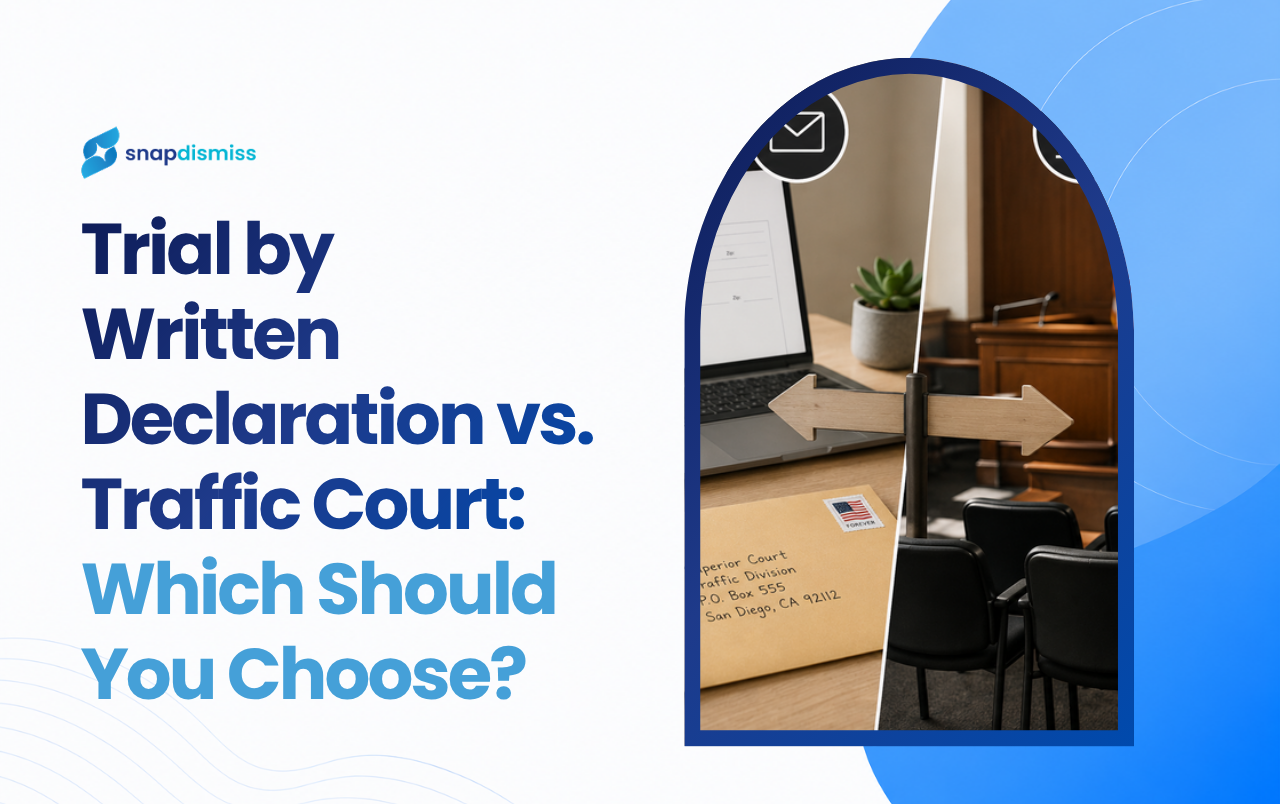
| Fight it | Contest the ticket by mail (written declaration) or in court | Possible full dismissal, no point, no fine | Anyone with a defensible citation |
Option 1: Just Pay It (The Costly Default)
Paying feels easiest, but it’s a guilty plea. A basic first speeding ticket in California with penalty assessments can run $200–$500+ once county and state fees are added to the base fine, and that’s before your insurance renewal. A single moving violation conviction commonly raises premiums by 20–40% for three years often costing far more than the original ticket.
Option 2: Traffic School (When It Makes Sense)
California lets most drivers attend traffic school in California once every 18 months to mask a single eligible one-point violation under Vehicle Code 1808.7. The conviction still exists, but it’s hidden from the record insurers see. It’s a reasonable move if you were genuinely in the wrong and have no traffic school on your record in the last 18 months but it doesn’t help if you weren’t actually at fault, and it still costs a course fee plus the ticket’s bail.
Option 3: Fight It (Trial by Written Declaration)
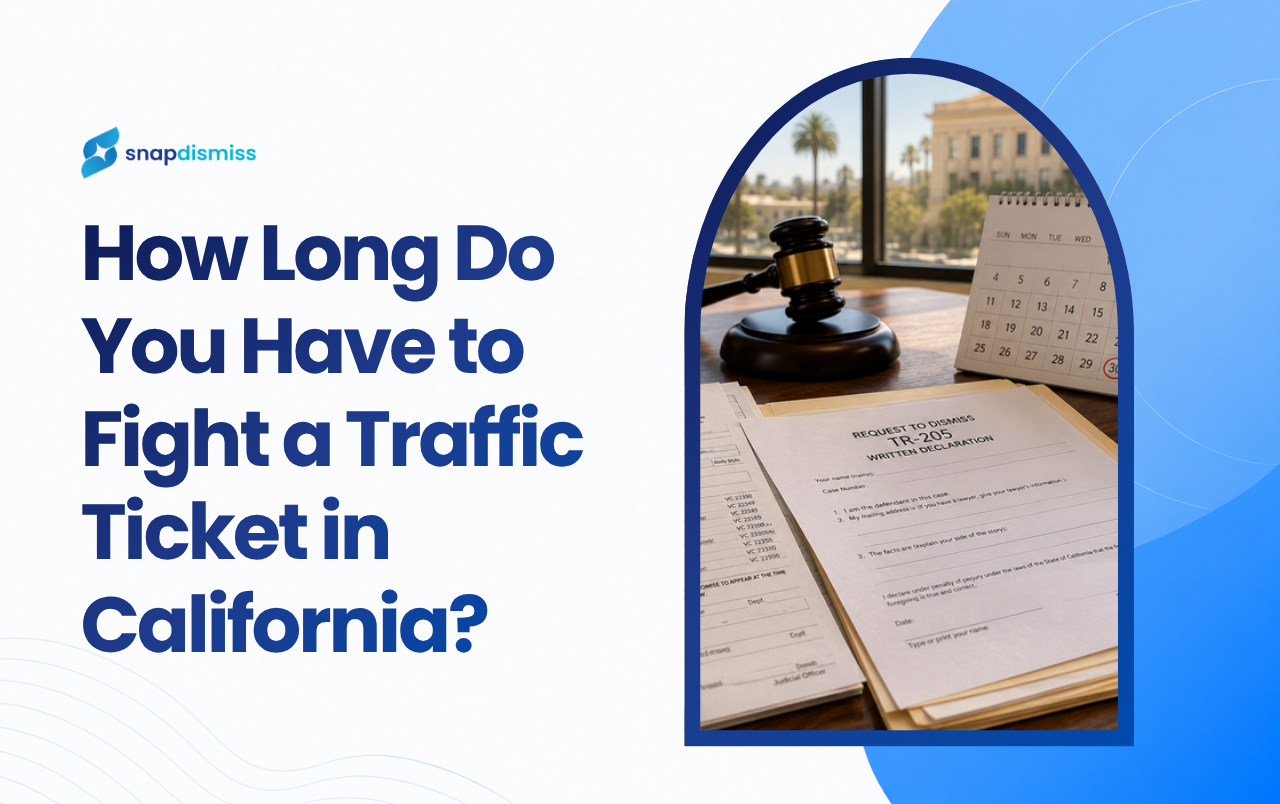
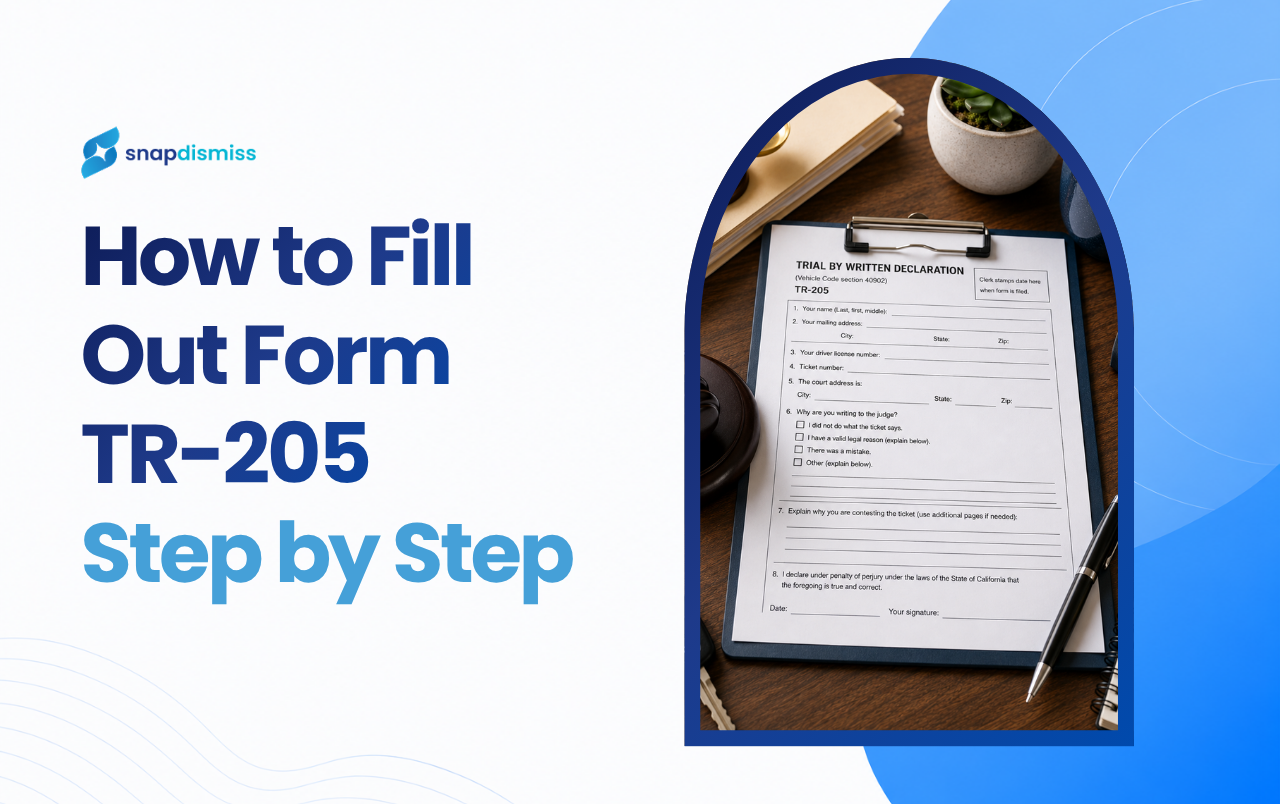
Every California driver has the right to a trial by written declaration contesting the ticket entirely by mail, without a courtroom, a lawyer, or missed work. You submit your side in writing, the officer may or may not respond, and a judge rules based on the paperwork. If the officer doesn’t submit evidence, the case is often dismissed outright.
Why So Many First-Time Drivers Pay Without Thinking
Most people don’t know they have options because the citation itself doesn’t explain them clearly, and the online payment portal makes paying dangerously easy a few clicks, a card number, and it’s over. In reality, that convenience is designed for collections, not for informing you of your rights. Drivers also assume they need a lawyer and a courtroom appearance to fight a California traffic ticket, which isn’t true for the vast majority of infractions.
Step-by-Step: What to Do in the First 48 Hours
- Read the citation fully note the violation code, the due date, and the court address.
- Decide if you want to fight it before that due date; once it passes, most options disappear.
- Gather evidence immediately photos of the location, dashcam footage, weather conditions, or anything that contradicts the citation.
- Check traffic school eligibility if you plan to go that route, since it’s limited to once every 18 months.
- Request your trial by written declaration or traffic school through the court listed on your citation, on or before the due date.
Real Example: A First-Time Ticket Case
A driver in Sacramento got her first California speeding ticket for going 12 mph over the limit near a construction zone with unclear signage. Instead of paying the $237 fine, she photographed the missing speed-limit signage the next morning, submitted a written declaration explaining the inconsistency, and received a dismissal 52 days later no fine, no point, and a full bail refund. Paying on day one would have cost her the fine plus an estimated $600+ in extra insurance premiums over three years.
Common Mistakes First-Time Ticket Holders Make
- Paying before researching options once paid, the case is closed and can’t be reopened.
- Missing the response due date the single deadline that locks out both traffic school and a written declaration.
- Assuming traffic school is always best it doesn’t help if you have a real defense and weren’t at fault.
- Not keeping evidence road conditions and signage change fast; document them right away.
- Thinking a lawyer is required most infractions are handled by drivers themselves with no attorney at all.
Expert Tips for Handling Your First California Traffic Violation
- Never pay a ticket the same day you receive it give yourself at least 24–48 hours to review your options.
- Save your traffic school eligibility for a ticket you can’t beat on the facts; use written declarations for anything defensible.
- Write your statement of facts in specific, factual language avoid opinions like “I wasn’t going that fast.”
- Track your due date on a calendar the day you receive the citation, not the week before it’s due.
- If you’re unsure whether to pay or fight your traffic ticket, treat “fight” as the default and only pay if you genuinely have no case.
Frequently Asked Questions
Should I just pay my first traffic ticket in California?
Generally, no. Paying is a guilty plea that adds a conviction and often a point to your record, which can raise insurance rates for three years. Most first-time drivers have a stronger option in traffic school or a written declaration.
What should I do after getting a traffic ticket in California?
Read the citation for your due date, decide whether to pay, take traffic school, or contest it, and gather any supporting evidence right away. Figuring out what to do after a traffic ticket in California really comes down to acting before that response deadline it controls every option available to you.
Can I go to traffic school for my first speeding ticket in California?
Usually yes, if the violation is a one-point infraction and you haven’t used traffic school in the past 18 months. It masks the point from insurance companies, though the conviction still technically exists on your record.
How do I fight a California traffic ticket without an attorney?
Most drivers can request a no-attorney traffic ticket defense through a trial by written declaration, submitting a signed statement of facts and evidence by mail. No courtroom appearance or legal representation is required for the vast majority of infractions.
Does contesting a ticket guarantee a dismissal?
No, but it puts the burden of proof on the citing officer and the state. In many cases, the officer never submits a response, which typically results in an automatic dismissal for the driver.
Will a first ticket affect my insurance if I fight it successfully?
If your contest of a traffic ticket in California results in a not-guilty finding or dismissal, there’s no conviction, no point, and no insurance impact at all.
The Bottom Line
Your first traffic ticket in California doesn’t have to become an automatic conviction. You have real options traffic school if you were genuinely at fault, or a written declaration if you have any defensible facts and both are almost always better than reflexively paying. Know your due date, gather your evidence, and choose deliberately instead of clicking “pay” out of habit.
If you want your first traffic ticket defense in California built for you instead of starting from a blank form, Snapdismiss turns your citation details into a court-ready written declaration in minutes no courtroom, no attorney, no guesswork.
Sources: California DMV — Negligent Operator Guidelines, California Traffic School 18-Month Rule, California Courts Self-Help Guide — Traffic.